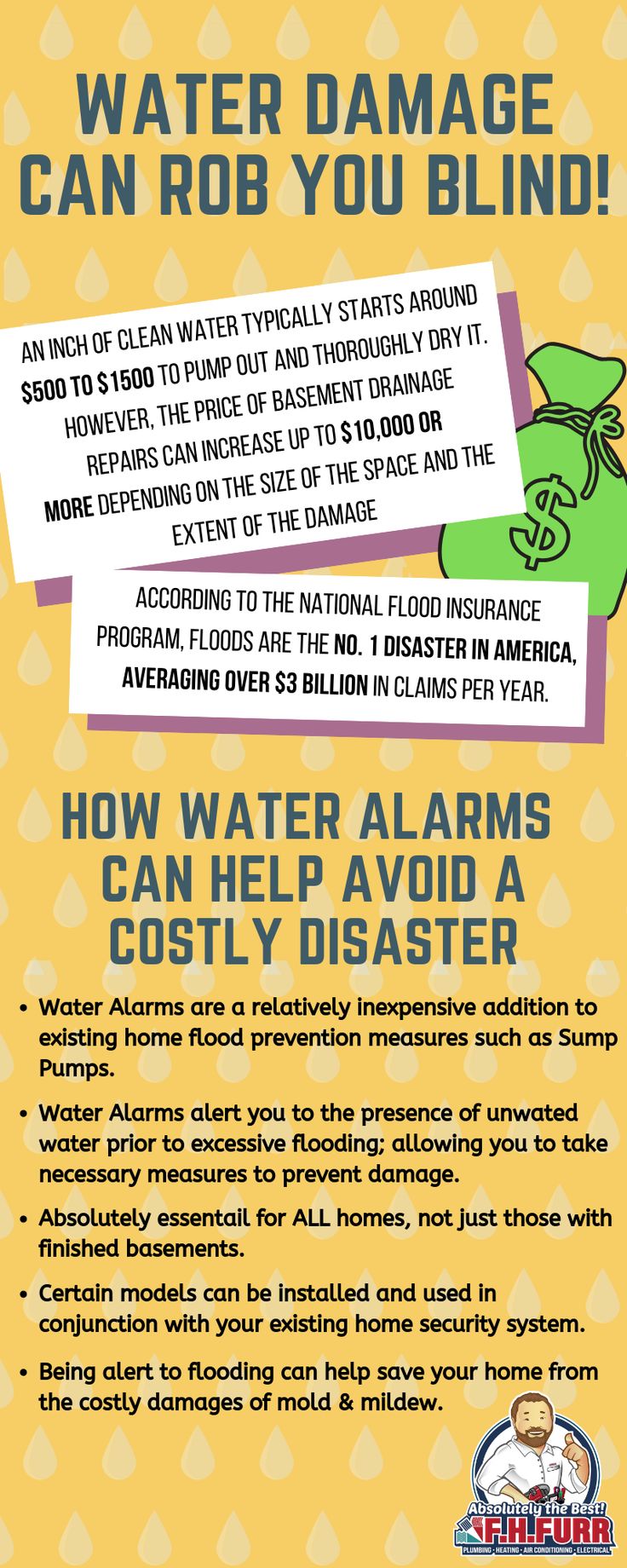
When basement flooding takes place, it can interrupt your life and cause expensive repairs. You need to act promptly to minimize damages and guarantee your area is safe again. Initially, you'll wish to determine the source of the water and start the cleaning procedure. But comprehending the reasons and executing efficient restoration strategies is essential for long-lasting prevention. What steps should you take alongside shield your home from future issues?
Sources Of Basement Flooding and Exactly How to Address Them?
Basement flooding can stem from numerous typical causes, and resolving them swiftly is critical to stop comprehensive water damage.
Initially, hefty rainfall or rapid snowmelt can overwhelm your drain systems. Make sure seamless gutters and downspouts are clear and direct water far from your foundation.
Second, bad rating around your home can result in water pooling near your basement. You could need to regrade your backyard to make certain appropriate drain.
Third, plumbing leakages from damaged pipelines or home appliances can contribute to excess wetness. Frequently examine find more information for any indications of wear or leaks.
Last but not least, groundwater infiltration through splits in your structure can be an issue. Seal https://www.prnewswire.com/news-releases/jon-don-prepares-for-hurricane-season-with-new-mobile-disaster-response-unit-dru-301565490.html with appropriate materials to protect your basement from future flooding.
Step-by-Step Water Damage Control and Cleaning Process
When managing water damages, an organized strategy can make all the difference. Begin by analyzing the influenced areas. Recognize the source of the water and quit it when possible.
Next, record the damages with pictures for insurance coverage purposes. Get rid of any type of standing water utilizing pumps or wet vacs, and guarantee correct air flow to dry the space.
Check for concealed dampness in wall surfaces and floors, and get rid of any type of drenched materials like carpets or drywall.
Sterilize the location to prevent mold growth; make use of a mixture of water and bleach for therapy.
Lastly, monitor the area to guarantee it's drying properly. By following these actions, you can properly handle the water damages and get ready for the next stages of repair.
Next Tips After Water Damage: Key restoration Techniques
After you've examined and cleaned up the initial water damages, it's time to focus on restoration strategies that can bring your basement back to its initial state.
Initially, make sure proper air flow to help dry out the location; open home windows and utilize fans to distribute air.
Next, think about using visit the following page to decrease wetness levels, stopping mold and mildew growth.
Evaluate and change any type of damaged insulation or drywall, as these materials can trap water.
Tidy and sterilize all surfaces with a mixture of water and bleach to remove bacteria.
Finally, examine your flooring; if it's wood, allow it to dry gradually to avoid bending.
For carpets, consider professional cleaning or replacement if they're as well harmed.
Taking these steps will help recover your basement successfully.
Conclusion
Finally, managing basement flooding can be overwhelming, however by following these actions, you can successfully take care of the situation. Identify the source, eliminate standing water, and record the damage. Bear in mind to sterilize the area and monitor for covert wetness. Once you've recovered your space, take safety nets to avoid future problems. Keep vigilant with routine evaluations and keep an eye on climate patterns to safeguard your basement from potential flooding down the line.